What measurable gaps separate the decor trends that are reshaping interiors this season? Between the return of organic colors, the dominance of raw materials, and the emergence of accessibility criteria in mainstream design, the directions of 2026 are not just a simple palette change. This article compares the major axes of home trends to identify those that truly transform a living space.
Cool palettes versus organic colors: what the shift really changes
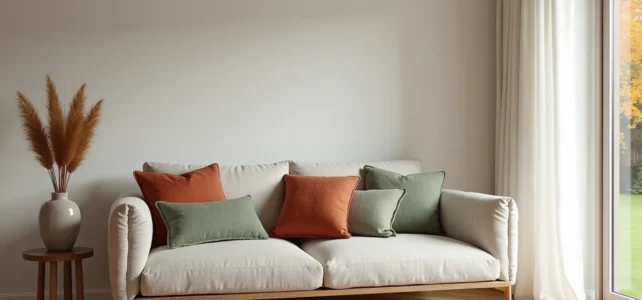
The transition from grays, anthracites, and navy blues to earthy tones represents the clearest chromatic movement this season. Terracotta, ochre, and brown replace cool tones in living spaces, set against a base of softer neutrals.
This shift is not just aesthetic. Organic colors absorb light differently: they visually warm a north-facing living room without adding a light source. In contrast, an anthracite wall in the same configuration accentuates the feeling of coldness.
| Criterion | Cool palette (gray, navy blue) | Organic palette (terracotta, ochre, brown) |
|---|---|---|
| Light effect | Reflects light, enhances contrasts | Absorbs and diffuses, enveloping effect |
| Suitable spaces | Very bright spaces, south-facing | All orientations, enhances dark rooms |
| Material association | Brushed metal, glass, raw concrete | Solid wood, washed linen, boucle wool, ceramics |
| Perceived durability | Looks dated after a few seasons | Timeless, ages better visually |
| Market trend 2026 | Clearly declining | Documented strategic axis among manufacturers |
This table summarizes an underlying movement: manufacturers are adapting their collections around organic shades, from furniture to textiles. This is no longer a passing trend; it is an industrial repositioning. To explore the latest decor from Deco Asaiss, this direction is reflected in recent piece selections.
Raw and certified materials: the decor criterion that impacts real durability
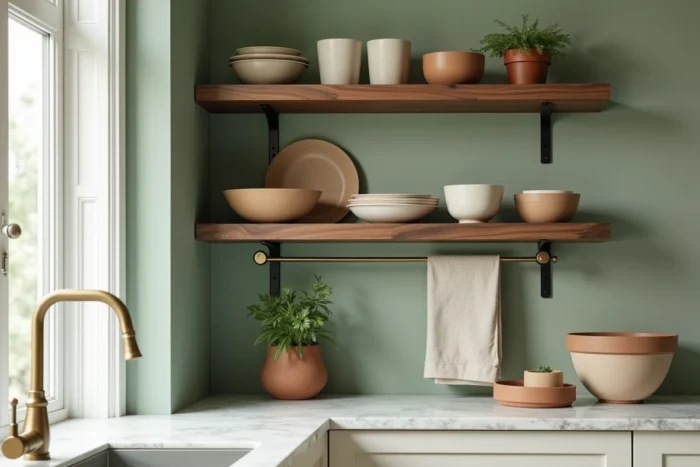
Solid wood with visible grains, natural stone (quartzite, travertine, sandstone), softened polished concrete, bamboo, rattan, washed linen, boucle wool: the list of key materials for the season reads like an inventory of minimally processed resources. All competitors are adopting it. The useful information lies elsewhere.
Durability has become a strategic axis in the interior design market, not just a marketing argument. Industry players are adapting their ranges around certified woods, recycled textiles, and energy-efficient lighting. This industrial structuring distinguishes 2026 from previous seasons where the “natural” discourse remained decorative.
What differentiates a trendy material from a durable material
A woven rattan piece can be trendy without being durable if its source and treatment are not controlled. The distinguishing criterion this season is traceability.
- Solid wood gains value when it is certified (controlled forest management), not just because it “looks natural”
- Recycled textiles (linen, cotton, wool) are gradually replacing synthetic fibers in mid-range and high-end collections
- Energy-efficient lighting incorporates more refined designs, eliminating the aesthetic compromise that hindered their adoption
A raw material without certification remains an aesthetic choice, not a durable choice. The 2026 trend pushes for verification beyond appearance.
Accessibility and mainstream design: the invisible criterion reshaping interiors
Decor content speaks of comfort, well-being, and cocooning. Few connect these notions to accessibility constraints that now influence the design of spaces, including standard housing.
Principles derived from home autonomy standards are spreading into mainstream design. Worktops positioned between 75 and 85 cm in height, circulation corridors at least 90 cm wide, power outlets raised to 60 cm to limit bending: these technical parameters modify the layout of a kitchen or hallway as much as a color choice.
Adaptive furniture and modular spaces
Accessibility is becoming a design criterion, not a constraint to endure. Height-adjustable furniture, handle-less storage, and seating higher than average are appearing in collections aimed at the general public, without a “medical furniture” label.
This shift aligns with another strong trend: multifunctional spaces. A living room that also serves as an office requires fluid circulation and repositionable furniture. The two logics converge.
Wall decoration and lighting: the areas where price gaps vary the most
Between textured wallpaper and matte organic paint, between a designer energy-efficient light fixture and a standard ceiling light, budget discrepancies fluctuate significantly for sometimes comparable visual impact.
- Geometric or botanical patterned wallpaper is making a strong comeback, but its cost per square meter remains significantly higher than that of paint applied in two coats
- Lighting made from natural materials (woven rattan, turned wood, ceramics) often costs less than their designer metal counterparts, providing a look consistent with the organic palette
- Mirrors and frames in brushed brass add an art deco touch without requiring major renovations, making them the decor item with the best impact/investment ratio
Brushed brass and lighting made from natural materials offer the best cost/visual impact ratio this season. Wallpaper, despite its comeback, remains an investment best reserved for accent walls.
The home trends of 2026 are not just a list of colors and materials. The shift towards organic palettes reflects a repositioning of manufacturers. The integration of accessibility criteria into mainstream furniture alters the geometry of rooms. And in terms of budget, some targeted choices in lighting and wall decoration transform an interior more effectively than a complete furniture overhaul.