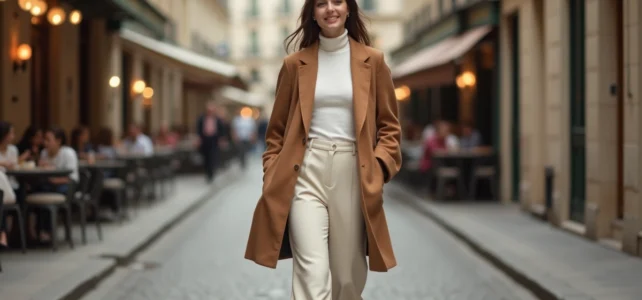
The fashion trends of this season are not just a list of pieces seen on the runways. They reflect a deeper change in how to curate your wardrobe: less volume, more thoughtful choices. With the rise of anti-fast fashion legislation in France and the return of structured cuts on the spring-summer runways, building a unique style today requires understanding what is happening behind each trend.
Anti-fast fashion law and its concrete effects on your wardrobe
Have you noticed that some very cheap clothes are starting to cost more? Law No. 2026-602, enacted on July 8, 2026, introduces financial penalties per product for ultra-fast fashion players starting September 1, 2026. The Senate presents it as the first specific legislative arsenal against disposable fashion.
In concrete terms, very low-priced clothing will become more expensive. The reinforced environmental penalty and the regulation of influencer promotions change the game. For consumers, this means that buying five tops at rock-bottom prices to follow a micro-trend becomes less appealing than investing in two well-tailored pieces.
This legislative context encourages a simple reflex: prioritize clothing that you will wear for several seasons. Current fashion trends lend themselves well to this, as they focus more on cuts and colors than on ephemeral patterns. Several specialized sections, like the one found on the Bart Magazine website, decode this evolution towards a more sustainable style over the collections.
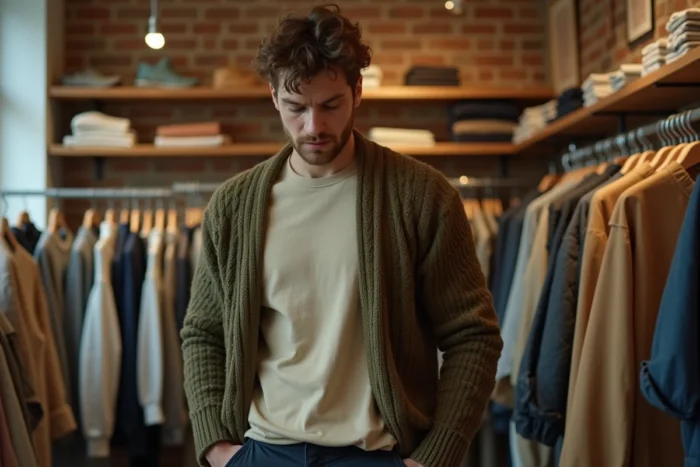
Structured cuts and wide pants: the silhouettes defining the season
The standout silhouette of this season is based on a balance between controlled volume at the bottom and fitted styles at the top. The structured wide pant, with a defined waist and ample fall, has made its mark on the runways from Milan to Paris. It is gradually replacing skinny jeans in wardrobes.
The wide pant is worn with a fitted top to avoid a pajama effect. A ribbed bodysuit, a tucked-in t-shirt, or a tailored shirt is enough to create a sharp contrast. It’s this play of proportions that gives elegance to a simple outfit.
The long, flowing dress completes this wardrobe. Inspired by the poetcore trend seen at Loewe, Miu Miu, or Saint Laurent, it offers a soft femininity without being rigid. Paired with flat shoes or minimalist sandals, it works just as well in the city as on vacation.
Which cuts to avoid this season
Very form-fitting cuts across the entire silhouette are losing ground. The total fitted look gives way to outfits that play on a single point of tension, with the rest remaining fluid. One fitted piece per outfit is enough to structure the look.
Color palette to adopt: from butter yellow to olive green
Why these specific shades? Because they share a common point: they effortlessly complement each other. The season’s palette is organized around warm, natural tones that allow for coherent outfits without having to think too long in front of your wardrobe.
The colors that appear most frequently in the spring-summer collections:
- Butter yellow, soft and bright, works in a total look or as an accent on an accessory. It replaces bright yellow, which is harder to wear daily.
- Olive green, understated and earthy, pairs well with off-white or beige for a natural result without being dull.
- Vibrant pink, more intense than powder pink, adds energy to a neutral outfit. A bag or a pair of shoes in this shade changes the look of white jeans.
- Sky blue, a reliable choice for sunny days, can be worn as a shirt or a light dress.
The idea is not to buy everything in these colors. Two or three pieces in these tones are enough to refresh an existing wardrobe. The rest of the wardrobe, in neutral colors (white, beige, black, navy), serves as a base.
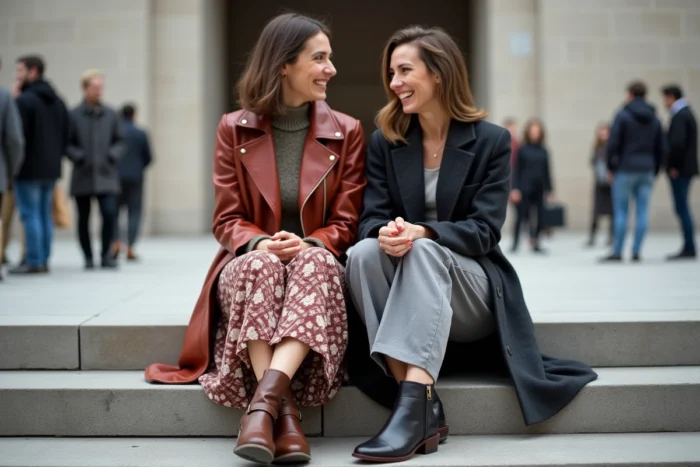
Accessories and key pieces to personalize each outfit
A unique style is not built solely with clothing. Accessories play a signature role. This season, brooches, thin belts, and small bags are making a strong comeback. These are elements that cost less than clothing but transform a basic outfit.
Are you wearing wide beige pants with a white t-shirt? Add a braided leather belt and a structured crossbody bag. The outfit goes from “comfortable” to “thoughtful.” The accessory is the cheapest lever to create a personal style.
Jeans remain a staple, provided you choose the right cut
The barrel jean (rounded cut at the thigh, tapered at the ankle) is gaining ground. It offers a compromise between slim and baggy. For a current look, it is worn with white sneakers or loafers.
The classic straight jean also retains its place, especially in a wardrobe focused on longevity. Both cuts coexist comfortably in the same wardrobe.
Textile environmental display: a tool for better choosing your pieces
Since October 2025, brands can voluntarily display an environmental score on their textile products. This system will become almost mandatory in France starting October 2026. This score allows for comparing the impact of two similar garments before purchase.
To build a sustainable style this season, this reference becomes useful. Two t-shirts may look similar but have very different impacts depending on their manufacturing methods. Checking this score before buying adds a quality criterion to your fashion choices.
The trends of this season converge in the same direction: well-cut pieces, colors that easily combine, and accessories that personalize. The anti-fast fashion law accelerates this movement, but the essence of the change is simpler. Choosing your clothing better means defining your style better. A reduced but coherent wardrobe offers more possibilities than a closet overflowing with mismatched pieces.